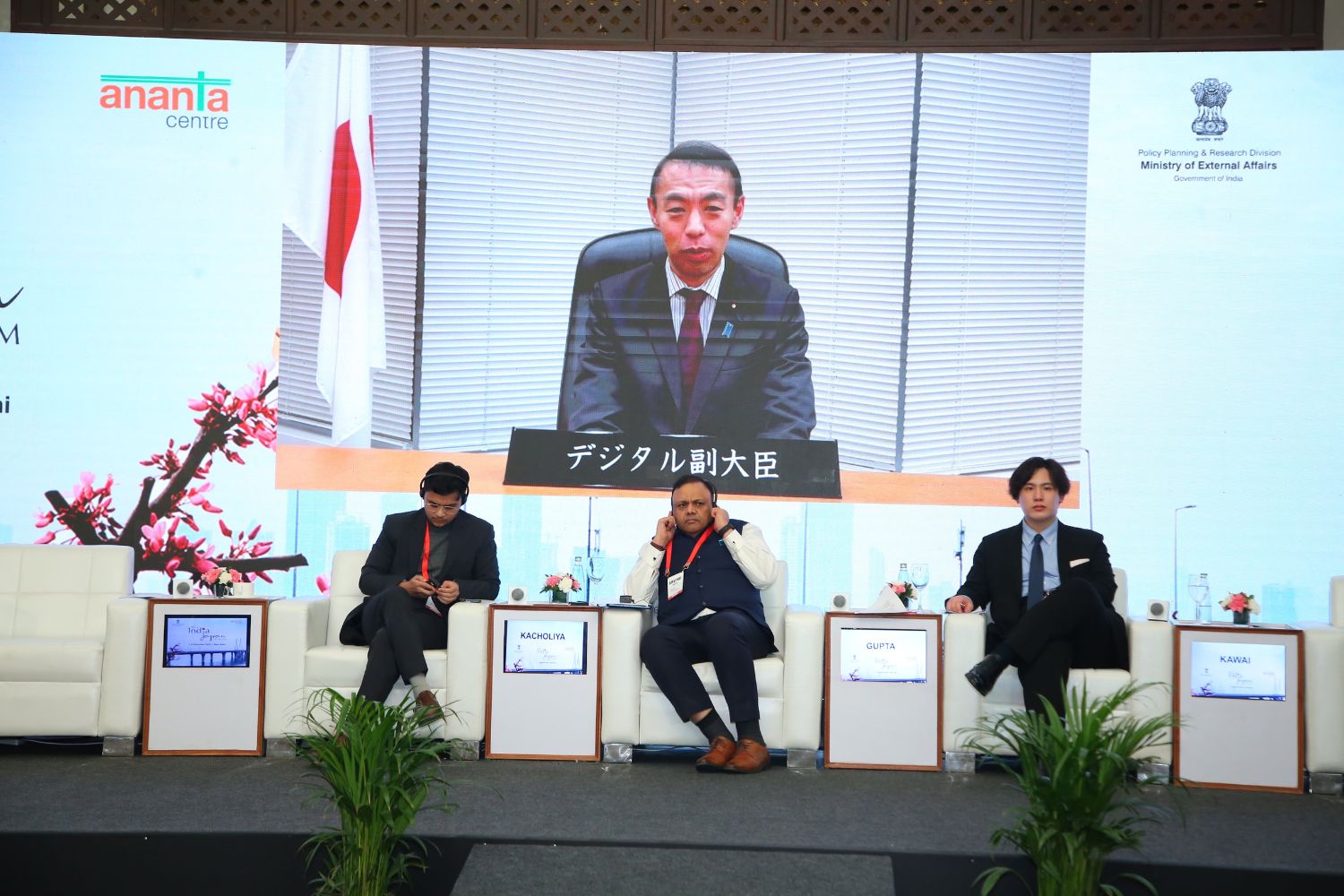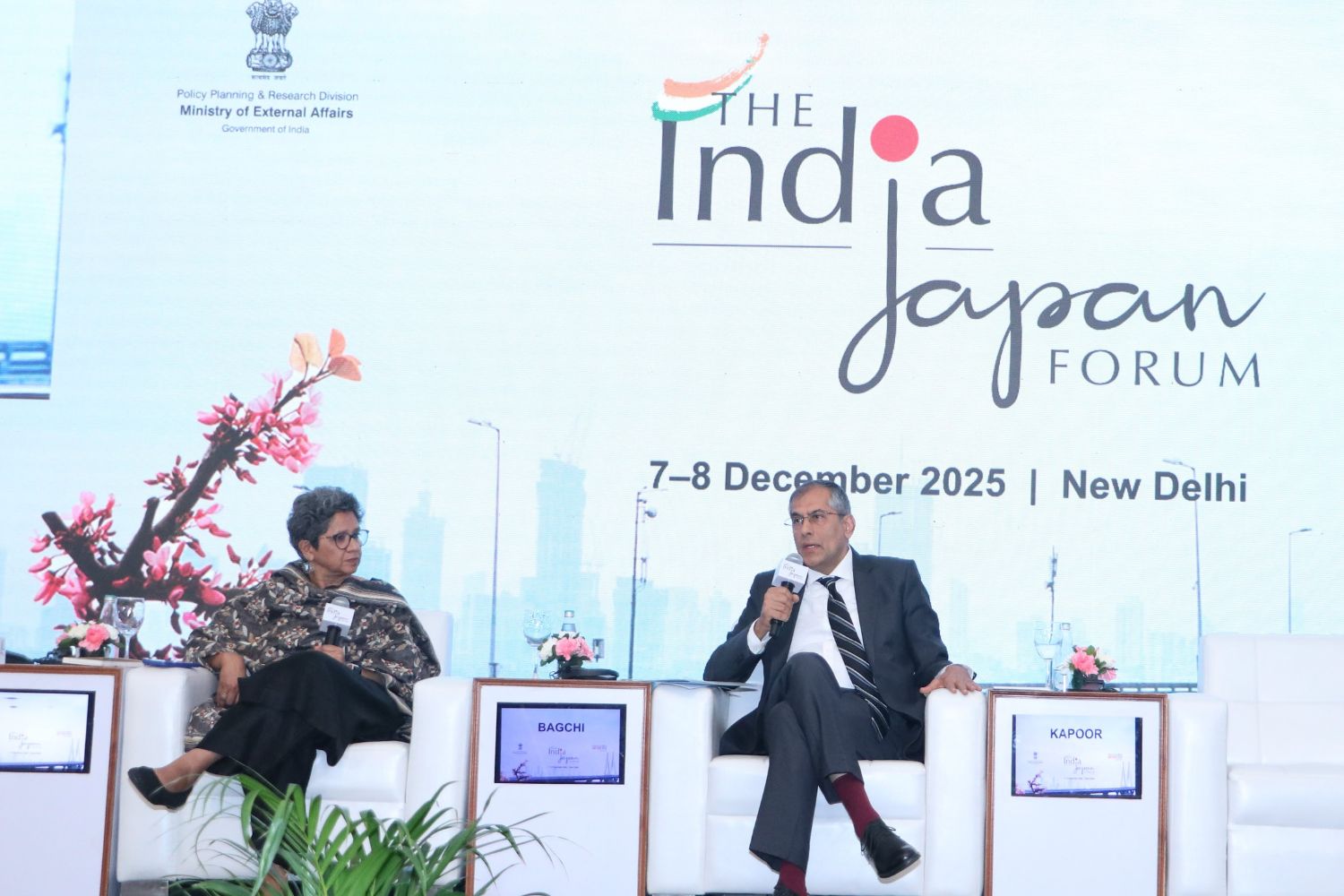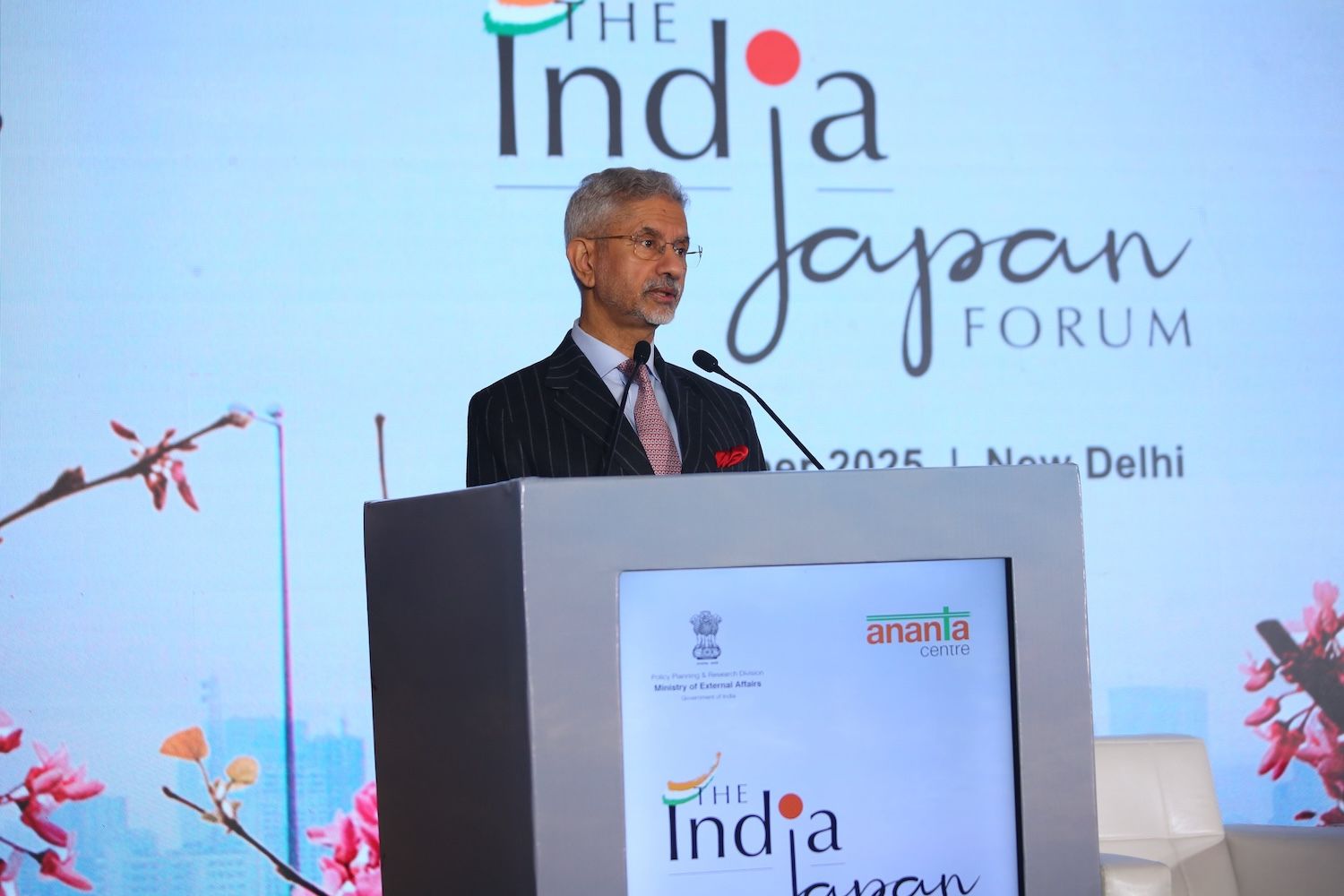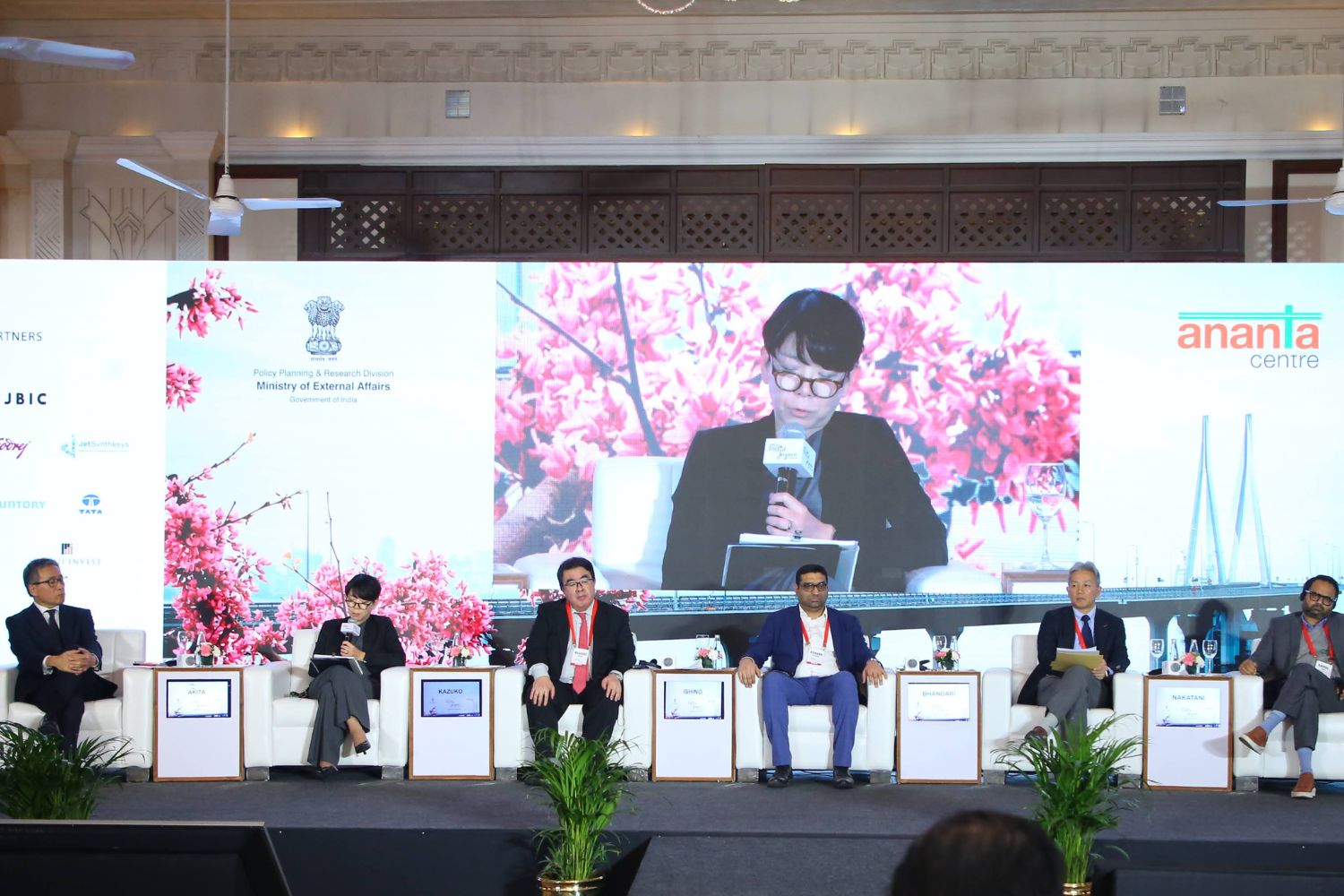

- 8 - 9 December, 2026
About India Japan Forum
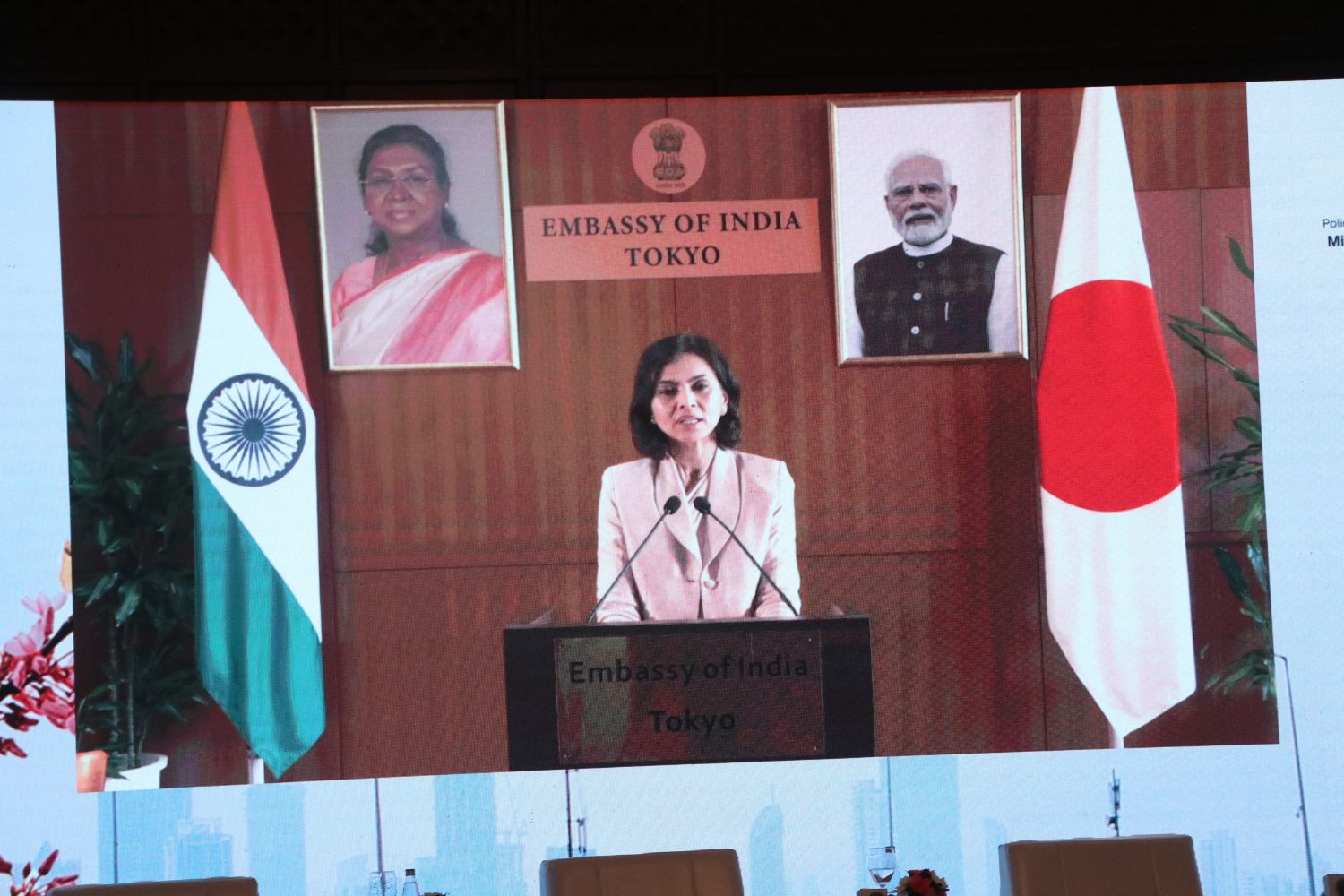
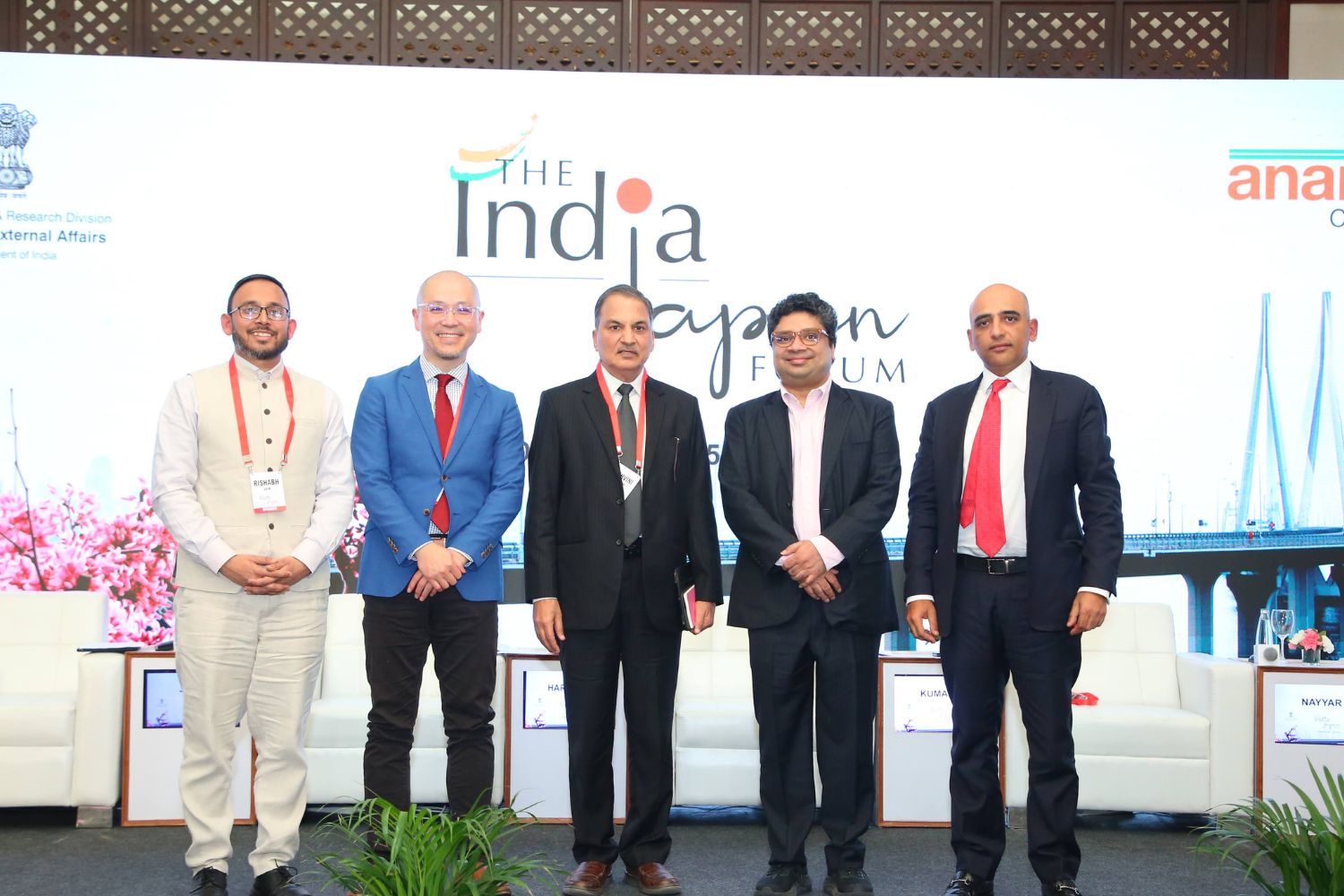
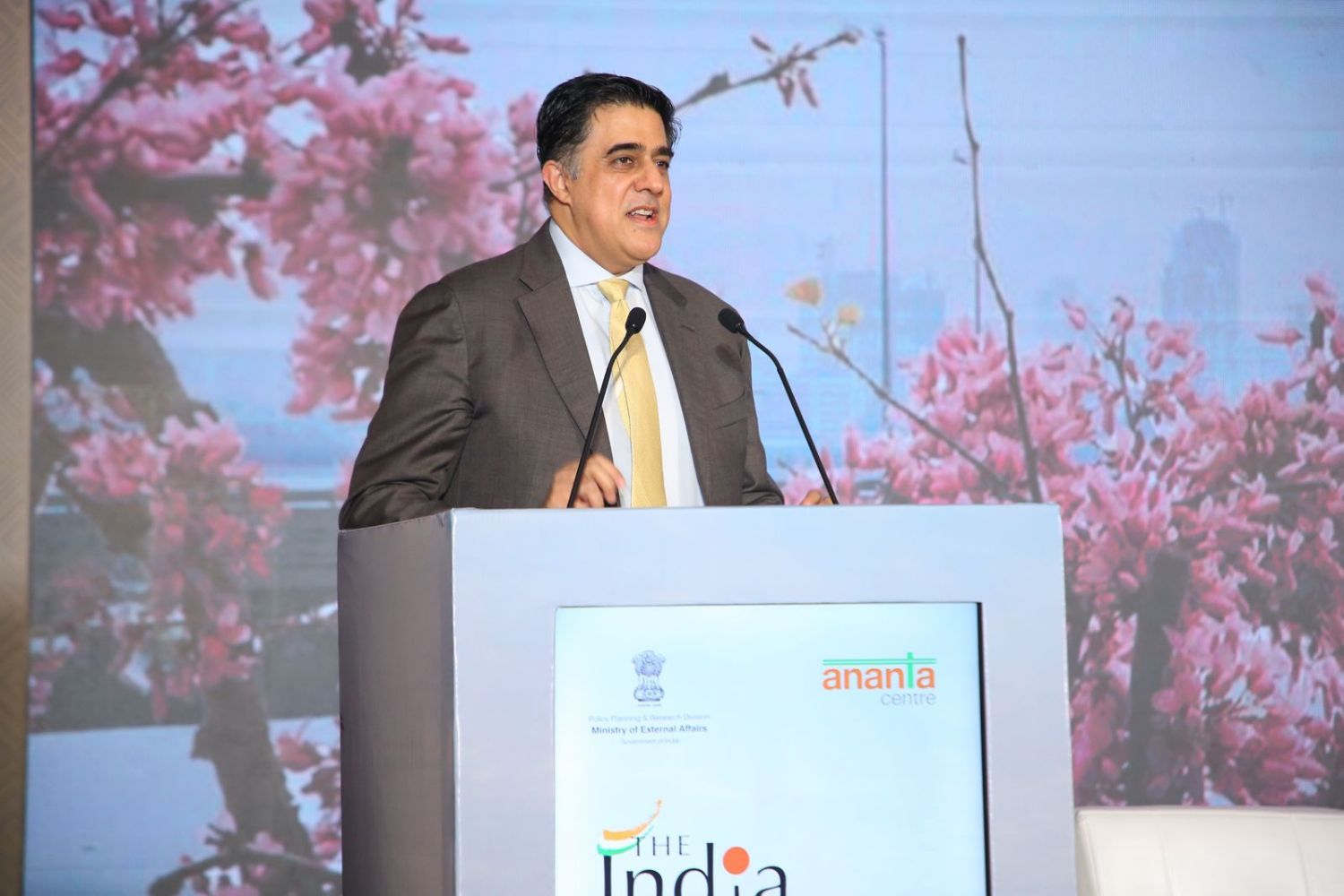
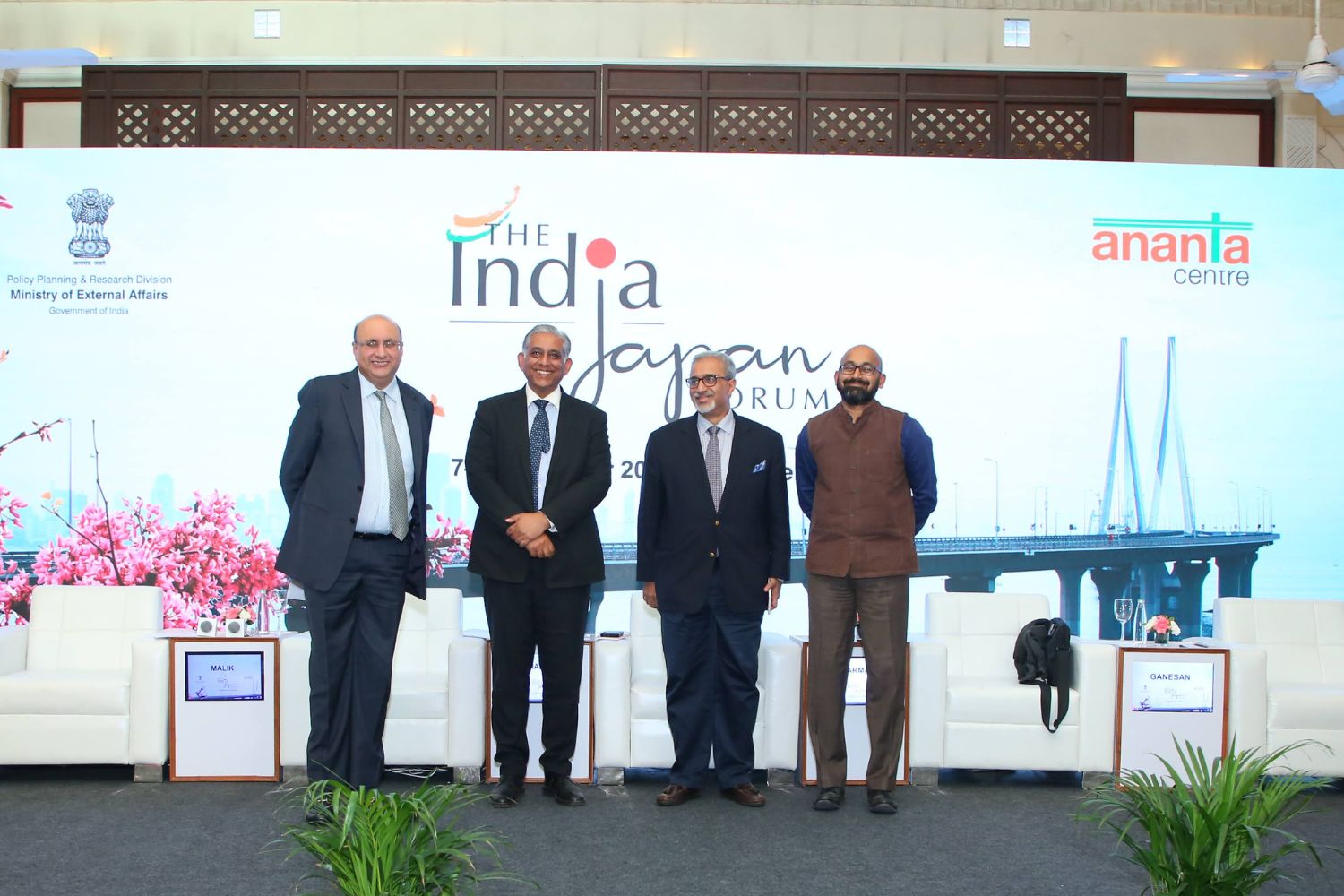
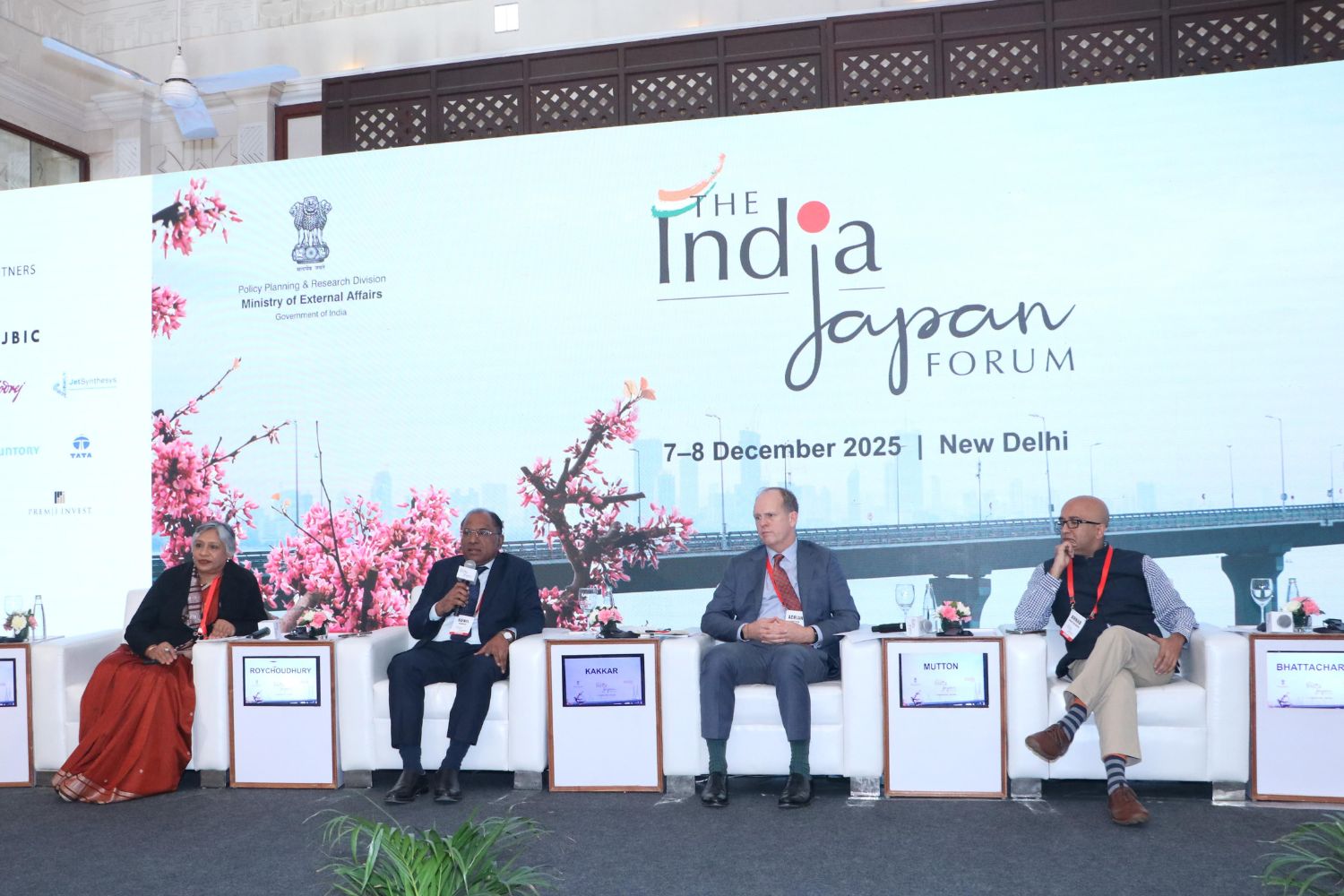
The India-Japan Forum provides a platform for Indian and Japanese leaders to shape the future of bilateral and strategic partnerships through deliberation and collaboration. The forum is convened by the Ananta Centre and the Ministry of External Affairs, Government of India.
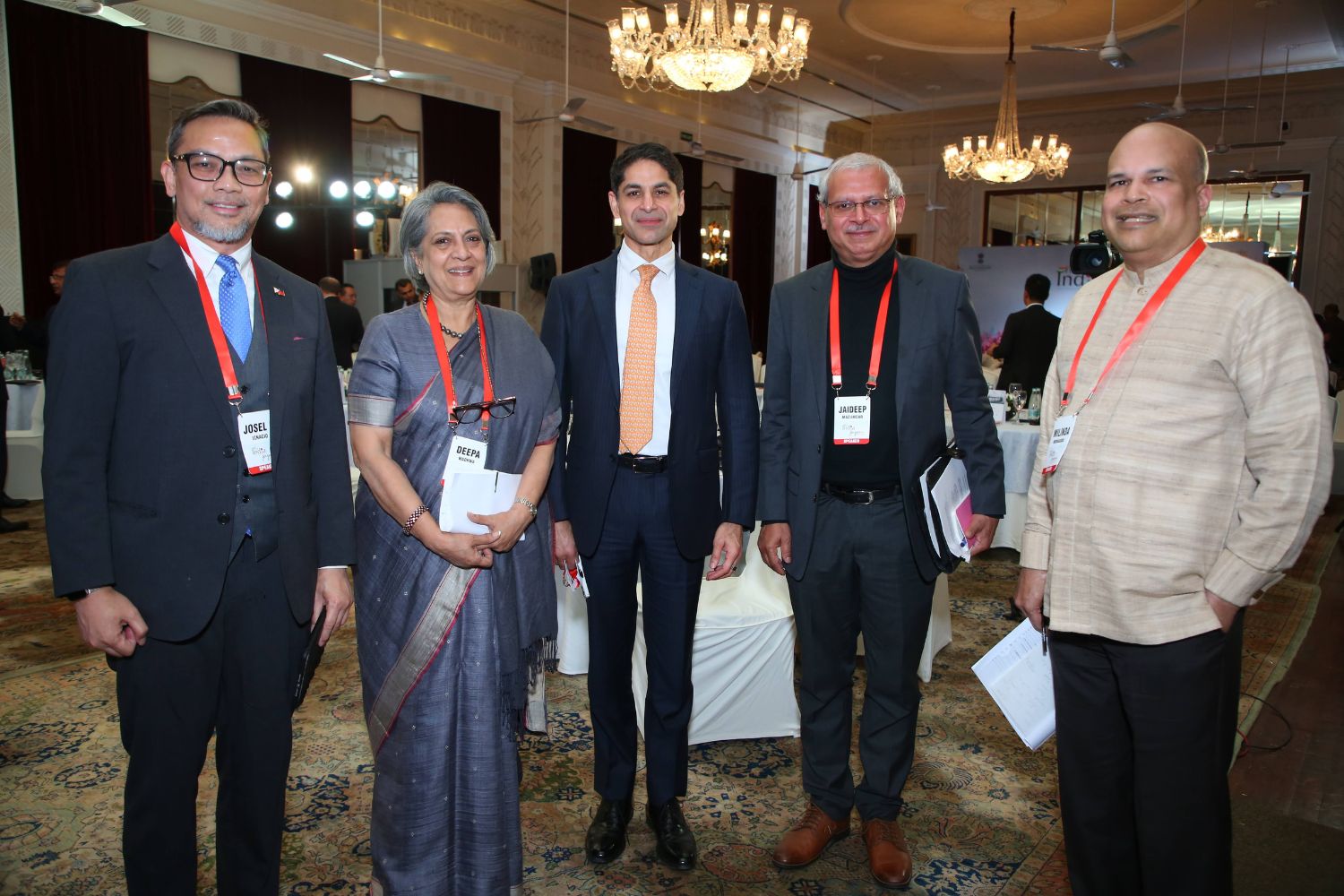
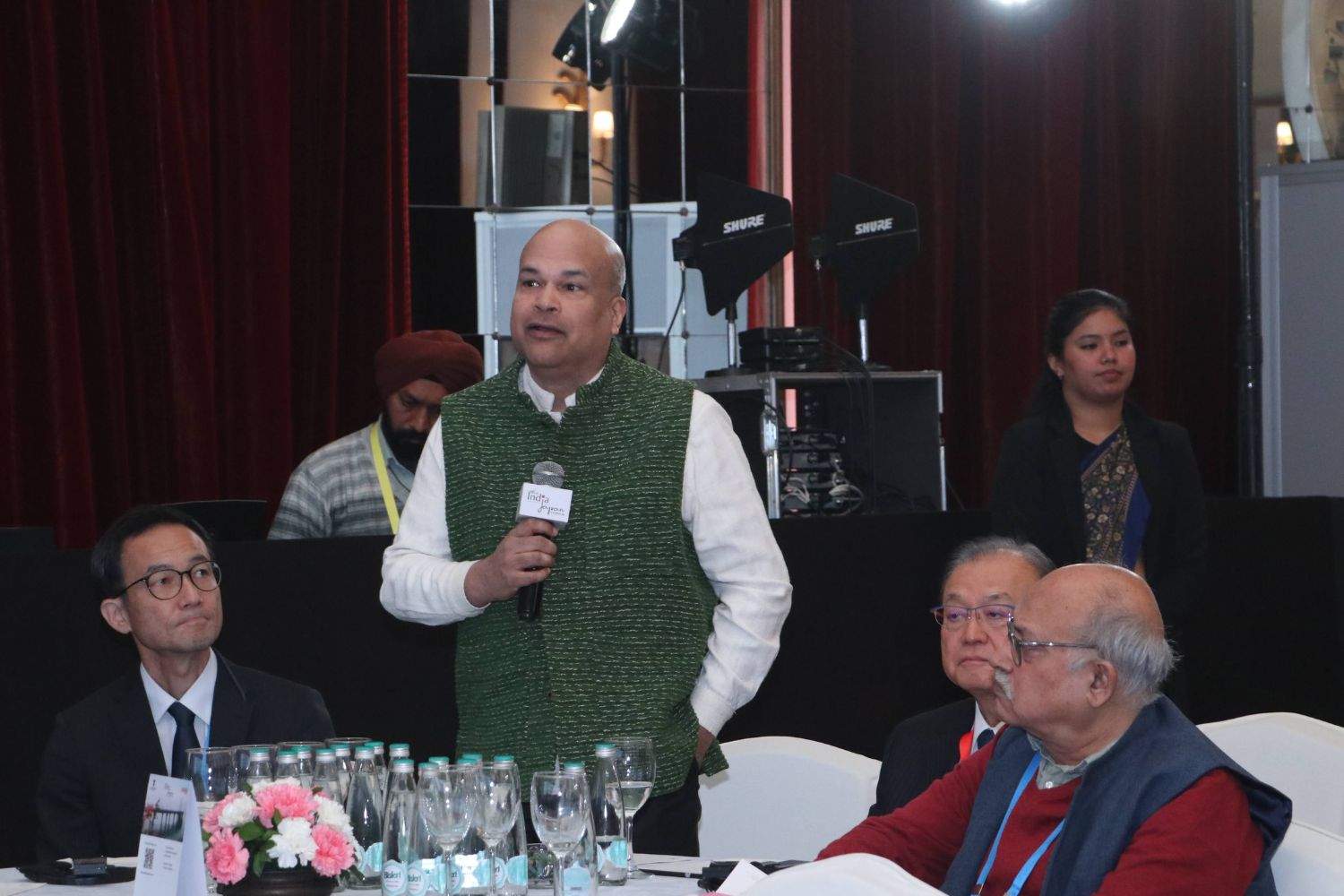
The aim of the forum is to bolster cooperation, leverage opportunities, exchange ideas, build mutual trust and develop a joint agenda for future cooperation. It is a closed-door gathering of 70-80 high-level participants from Japan and India by invitation only. The discussions will be held under Chatham House rules.
Speakers
Participants
Agenda
In a world marked by conflict, economic fragmentation, technological disruption and shifting power equations, India's foreign policy is being tested as never before. The session will examine how India is moving from a balancing power to a decisive shaper of global outcomes.
The Indo-Pacific is at the centre of a contest reshaping the rules that governed the last three decades. This session will examine how India, Japan and their partners can manage relations with both America and China, and explore where like-minded partners can build stability and shared rules in an uncertain order.
Access to critical minerals, trusted digital infrastructure, and secure supply chains has become central to national security. This session will examine how India and Japan can align their economic security frameworks and reduce shared vulnerabilities.
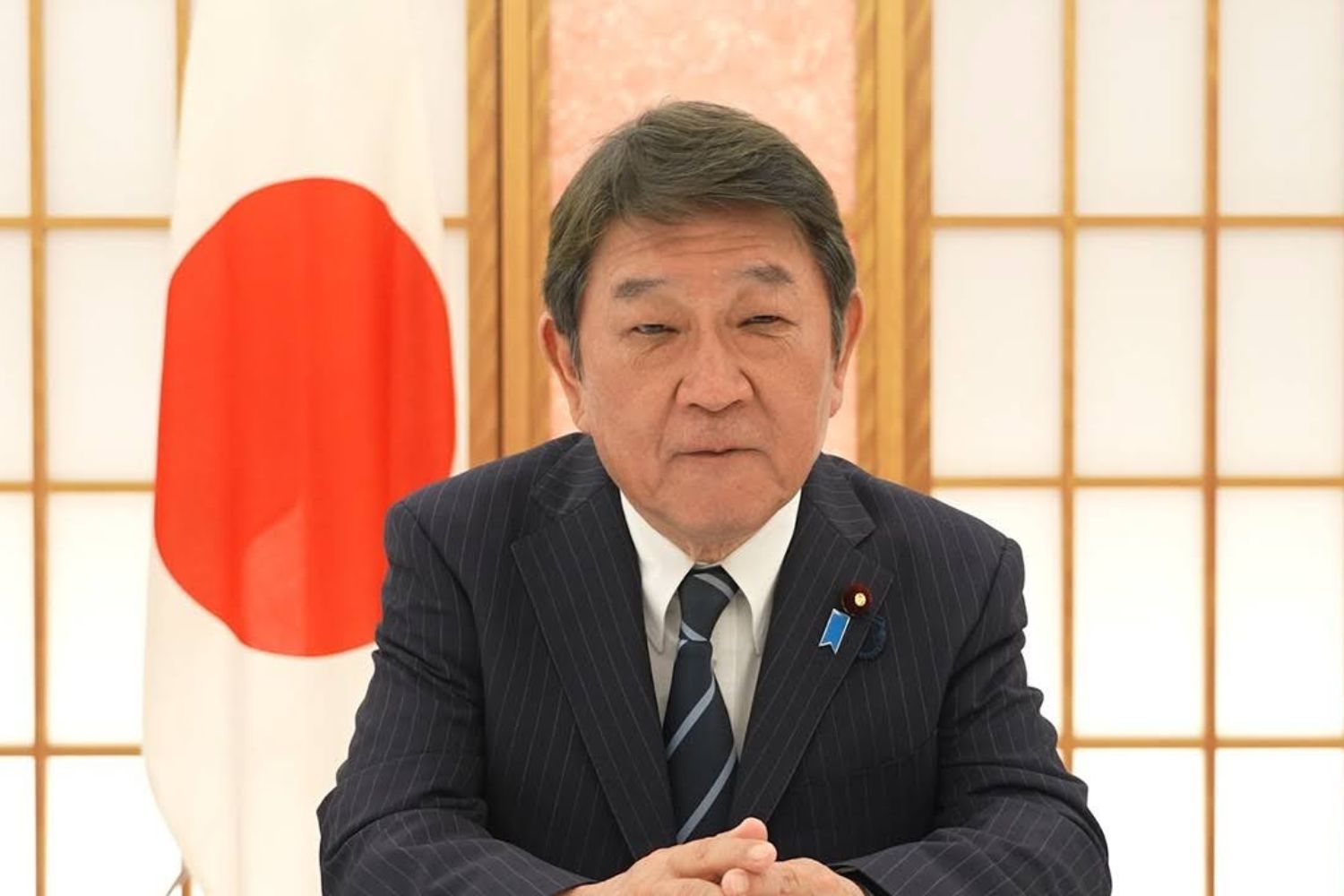
Special address: The impact of PM Takaichi's policies on Japan's economy.Space has become a vital domain for economic growth, connectivity and national security. This session will explore how India's expanding private space sector and Japan's established capabilities can complement each other in satellites, launch services, research collaboration and start-up partnerships.
India's growing energy demand and Japan's priorities around resource security create a strong basis for deeper bilateral cooperation. This session will examine how the two countries can translate shared strategic interests into concrete partnerships in resource development, energy security, investment and technology.
Ports, shipping and shipbuilding are emerging as a new frontier of India–Japan cooperation. This session will explore how Japanese expertise and Indian capacity can strengthen maritime infrastructure and anchor resilient, trusted maritime supply chains across the Indo-Pacific.
Football is a growing passion in India and a powerful bridge between young people in both countries. This session will explore how Japanese experience in grassroots development, coaching and league building can inform Indian football and nurture lasting people-to-people connections.
Gaming, animation, manga, film and music are fast-growing industries where India and Japan hold deep creative strengths. This session will look at how intellectual property can be developed, protected and monetised to build sustainable businesses through co-production, talent exchange and market access.
Japan remains one of India's most important sources of investment and technology. This session will take stock of Japanese commitments and the sectors drawing the most interest, and examine what policy, regulatory and financing conditions are needed to deepen and accelerate capital flows.
Semiconductors sit at the intersection of economic growth and strategic security. This session will examine how Japan's strengths in materials, equipment and process know-how can complement India's fabrication and design ambitions, and identify priorities for a durable, trusted partnership across the value chain.
A free and open Indo-Pacific depends on secure sea lanes, shared maritime awareness and credible defence partnerships. This session will examine how India and Japan can deepen maritime security cooperation, coordinate with regional partners, and translate political commitment into co-development and industrial partnerships.
Demographic trends in India and Japan are complementary — one facing a growing workforce, the other an ageing population. This session will explore how skills development, certification and well-governed mobility pathways can benefit both countries, and highlight sectors where trained Indian talent can meet Japanese industry needs.
Partners